Early Roots in Madeira
Maria Dolores Dos Santos Viveiros Da Aveiro was born on 31 December 1954 in Caniçal, Madeira, Portugal. Her earliest years were shaped by restraint, not abundance. She grew up in a setting where endurance mattered more than comfort. That beginning left a durable imprint on her character.
Her childhood carried a sober weight. She lost her mother while still young, which sharpened her sense of responsibility early. Such loss often leaves a person either brittle or resolute. Maria Dolores appears to have become resolute. She learned how to continue, even when life felt spare.
Madeira itself also matters to her story. The island is scenic, but beauty did not erase hardship in her home. Her background was ordinary in the best and hardest sense. It was lived, not curated. That reality later made her public image feel authentic.
She did not begin as a celebrity. She began as a daughter, a worker, and a young woman with limited means. Before public notice found her, she handled domestic labor and practical tasks. Cleaning and cooking were part of her early working life. Those jobs deserve recognition because they reveal her discipline.
Marriage and a Household Built on Persistence
Maria Dolores married José Dinis Aveiro, a municipal gardener and part time kit man at CF Andorinha. Their marriage formed the central domestic axis of the Aveiro household. Together they raised four children in Santo António, Funchal. The home was modest, but it was rich in willpower.
Their children were Hugo, Elma, Kátia, and Cristiano Ronaldo. Each child occupied a different place in the family constellation. Yet all four were shaped by the same grounded upbringing. That shared origin still echoes through the family narrative.
José Dinis Aveiro died in 2005. His death altered the family structure decisively. After that, Maria Dolores became the principal steward of continuity. She held the household memory together. She also became the figure people associated with steadiness.
The family lived without surplus, yet ambition moved through the home quietly. That ambition did not arrive as luxury. It arrived as expectation, hope, and sacrifice. Maria Dolores managed the pressures of ordinary life while her son’s talent began to emerge. Her role was not ornamental. It was foundational.
Family Structure
| Family Member | Relationship to Maria Dolores | Public Note |
|---|---|---|
| José Nunes de Viveiros | Father | Rooted in her Madeira heritage |
| Matilde dos Santos da Viveiros | Mother | Died when Maria Dolores was young |
| José Dinis Aveiro | Husband | Father of her children, died in 2005 |
| Hugo Aveiro | Son | Keeps a lower public profile |
| Elma Aveiro | Daughter | Visible in family celebrations |
| Kátia Aveiro | Daughter | Singer and public personality |
| Cristiano Ronaldo | Son | Global football figure |
| Rubina | Daughter in law | Publicly linked with Hugo |
| Alexandre | Son in law | Publicly linked with Kátia |
Work, Faith, and Practical Fortitude
Maria Dolores did not move into visibility through spectacle. She moved through work, care, and consistency. Her early employment was practical and unsentimental. That background gave her a credibility that fame could not manufacture. She understood effort from the inside.
Her story is often described through the language of sacrifice. That description is not exaggerated. She lived through poverty, family loss, and later public pressure. Each stage required adaptation. She remained composed through changing circumstances.
Her faith is also central to her image. She has long presented herself as a woman who values devotion and ritual. Faith, for her, seems connected to family rather than abstraction. It appears in public appearances and private gestures. That blend gives her presence a quiet solemnity.
The family restaurant, Casa Aveiro, was one of her most visible efforts. It translated family identity into a physical place. The restaurant became a symbol of domestic pride. It also reflected her instinct to build, not merely to endure. Public reports later suggested it closed during the pandemic.
Her memoir expanded the contours of her story. It formalized themes that had always been present. Sacrifice, motherhood, and perseverance all received clearer shape. That kind of self narration matters. It allows her life to stand apart from her son’s fame.
The Mother Behind a Global Icon
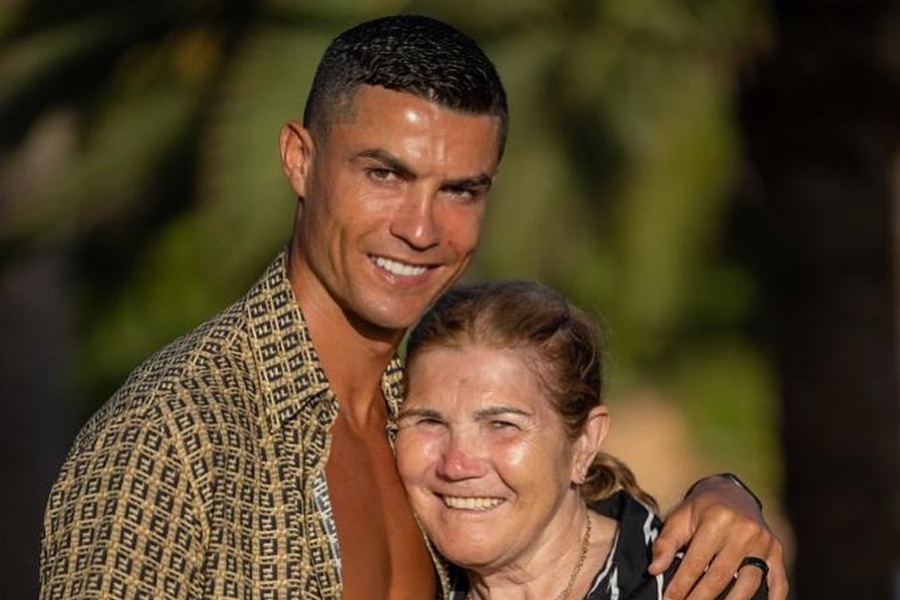
Cristiano Ronaldo changed the family name into a worldwide emblem. Yet his rise did not erase the maternal frame around him. Maria Dolores supported him early and remained visible later. Her presence became part of the emotional architecture of his story. She was there at formative moments and celebrated milestones.
This connection is often discussed in simple terms. He is the son, and she is the mother. But the relationship carries more density than that. It reflects decades of sacrifice and mutual visibility. It also reflects how family identity survives fame.
Maria Dolores has often appeared at football related events. She has also been present during birthdays, ceremonies, and personal celebrations. Those appearances reinforce her role as a stable witness. She is not positioned as a decorative relative. She is positioned as a central familial force.
Ronaldo’s career has created enormous distance from the island life of his childhood. Yet Maria Dolores keeps that origin story emotionally intact. She reminds the public that greatness still has a home address. Her story gives Ronaldo’s ascent a human scale. It also preserves the Madeira roots beneath the global polish.
Public Presence and Digital Intimacy
Maria Dolores has adapted to modern visibility with notable ease. Her social media presence emphasizes family, affection, and milestones. She shares birthdays, gatherings, and celebrations with deliberate warmth. The tone is intimate rather than performative.
This digital persona is important. It places motherhood and grandmotherhood at the center. Celebrity remains present, but it is secondary. She presents herself as a custodian of family memory. That is a rare kind of public identity.
Her appearances with Pope Francis and at Sporting CP related moments added symbolic depth. They linked faith, loyalty, and sport into one narrative. Sporting CP matters because it connects Ronaldo’s early football path to her family world. These moments show how her life spans both domestic and public arenas.
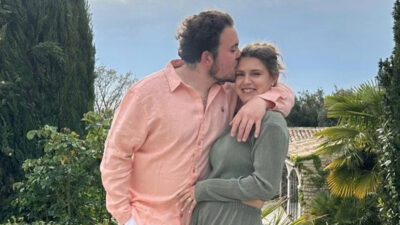
Recent years have kept her in the spotlight. She has appeared around Ronaldo, Georgina Rodríguez, and the children. She has also been visible with Cristiano Ronaldo Jr. as his path develops. Her role now extends across generations. She is mother, grandmother, and family anchor.
Family Generations and Continuing Visibility
The Aveiro family now moves across multiple generations. That expansion gives Maria Dolores’s story wider resonance. She is not only remembered for one famous son. She is part of an expanding family system with many public intersections.
Here is a compact timeline of notable moments.
| Year | Event |
|---|---|
| 1954 | Born in Caniçal, Madeira |
| 1970s to 1980s | Married José Dinis Aveiro and raised four children |
| 1985 | Cristiano Ronaldo was born |
| 2005 | Her husband died |
| 2014 | Her memoir brought wider attention |
| 2020 | Public discussion included recovery after a stroke and business changes |
| 2022 | She met Pope Francis |
| 2024 | Family photos showed her with Ronaldo and Georgina in Saudi Arabia |
| 2025 | Continued public appearances around family events |
The grandchildren add another layer to the family portrait. Cristiano Ronaldo Jr., Eva Maria, Mateo, Alana Martina, Bella Esmeralda, Rodrigo, and José Dinis Aveiro all belong to this broader line. The names themselves carry memory. One grandson bears the name of his grandfather. That detail shows how the family protects continuity.
Kátia’s children also extend the household tree. This widening matters because Maria Dolores is no longer simply the mother of four. She is the matriarch of a transnational family presence. That role carries symbolic weight. It also carries emotional labor.
Key Takeaways
Maria Dolores Dos Santos Viveiros Da Aveiro represents persistence shaped by hardship, faith, and family duty. Her life began in modest conditions in Madeira, then unfolded into a far broader public story. She did not become notable through self promotion. She became notable through endurance, motherhood, and constancy.
Her importance lies in more than Cristiano Ronaldo’s fame. She built a family atmosphere that supported ambition under pressure. She also remained visible as that family expanded across generations. Her public image blends domestic loyalty, religious gravity, and social media intimacy. That blend makes her distinctive.
The core facts remain clear. She was born in 1954. She married José Dinis Aveiro. She raised four children. She later became a grandmother many times over. Her story still reflects the same central theme. She is a woman whose strength became visible through the lives she helped shape.